
财经|实现1.5°C温控目标,这道“数学题”答案在此( 二 )
而好消息是 , 城市中公共设施和基础建设极为密集 , 这使得城市管理者可以大规模推动具有成本效益的创新性技术的应用 , 并利用行业协作建立高效的能源系统 。
The good news is that cities’ high density of facilities and infrastructure offer a unique opportunity to drive cost-effective technology innovation and exploit synergies between sectors to create a highly efficient energy system.
交通运输的电气化是实现城市脱碳的最有力的杠杆 , 也有助于应对城市空气质量问题 。
Electrification of transport presents the biggest lever for decarbonization to be achieved in cities – this decarbonization will also help to tackle challenges with air quality in our cities.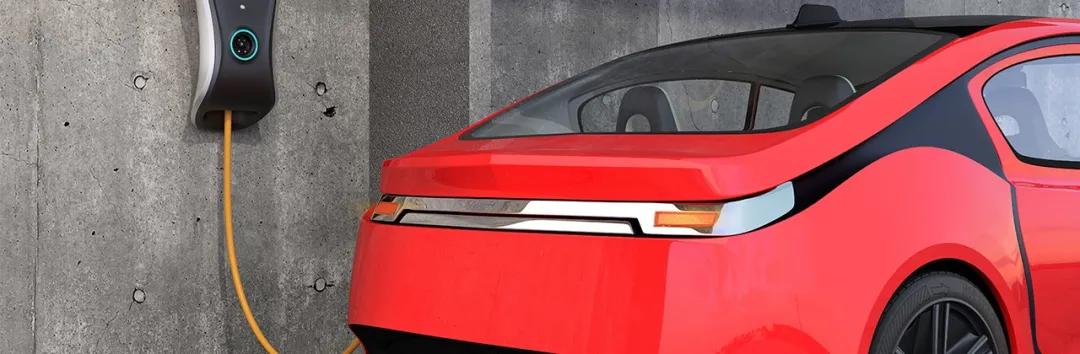
以伦敦为例 , 如果伦敦要实现1.5°C温控目标 , 到2050年 , 这座城市三分之二的乘用车和所有公共汽车都必须采用纯电动汽车(公共汽车甚至要更早) 。
For example ,if London is to reach the 1.5°C level ,two-thirds of London’s passenger cars and all busses must be battery electric by 2050 (busses even earlier).
这将使伦敦每年减少1 , 700吨氮氧化物的排放 , 相当于一辆柴油汽车行驶50亿公里所产生的排放量 。
This would relieve Londoners from annual emissions of 1.7kt NOX ,which equals 5 , 000 million diesel car kilometres.
高能效的建筑供暖和制冷系统将是达成1.5°C温控目标的第二个有力手段 。
Energy efficient heating and cooling of buildings (technical building systems ,including controls ,and district energy) will be the second greatest lever to leap to 1.5°C.
利用现有技术可以保证建筑通风舒适 , 同时消除建筑的污染物排放 。
Use of existing technology can ensure building ventilation comfort while eliminating emissions from building.
这就需要大举加大技术应用的力度 , 包括提高建筑翻新率、建筑节能系统的大规模应用 , 如控制和区域能源等 。
This requires drastic increases in technology uptake including a tripling of the renovation rate and focusing on the technical buildings systems ,including controls ,and district energy.
行业耦合将使运输和建筑方面尚未开发的潜力得以发挥 。
Sector integration will enable the untapped potential of transport and buildings.
此外 , 实现1.5°C温控目标的最经济的方法是投资能效和行业耦合 , 因为这可以避免对能源生产和能源基础设施进行高额的过度投资 。
Further ,the most cost-effective way to reach the 1.5°C target is to invest in energy efficiency and sector integration as this will ensure that expensive overinvestments in energy generation and energy infrastructure can be avoided.
另外 , 工业 , 电器和建筑领域的能效和清洁能源举措也将会助力达成1.5°C温控目标 。
The rest of the contribution to reach the 1.5 °C target will come from energy efficiency and clean energy in industries ,appliances and construction.
该报告阐述了城市达成1.5°C温控目标所需的技术转型 。
This study illustrates the necessary technological transformation when cities and urban areas move to a 1.5°C pathway.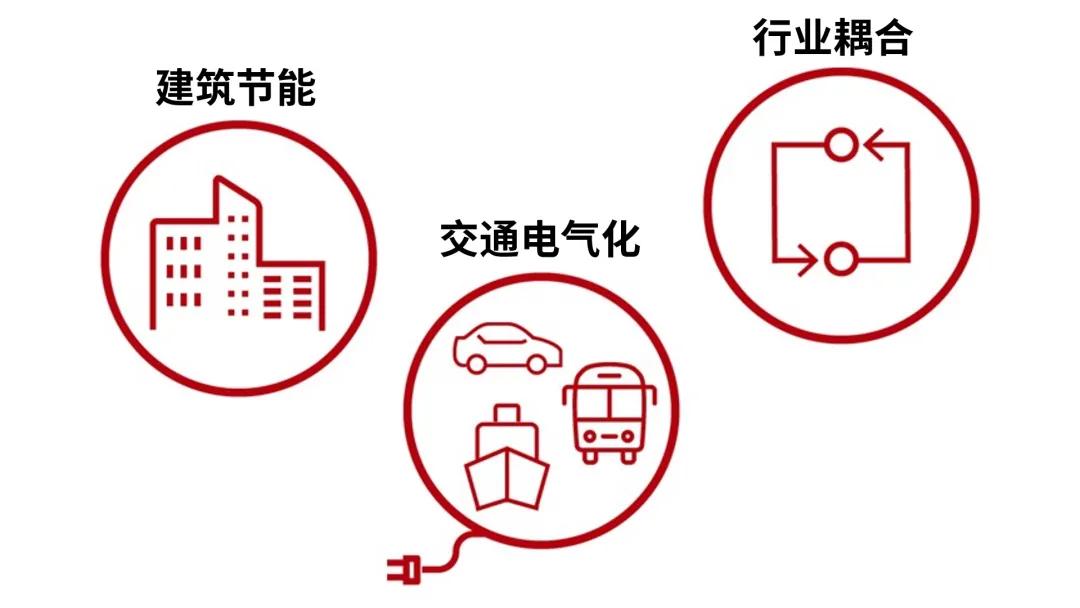
基于国际能源署(IEA) 和政府间气候变化专门委员会(IPCC)对不同地区情况的掌握 , 该报告量化了欧洲、美国和中国所需的技术应用 , 案例城市包括伦敦(英国) , 鹿特丹(荷兰) , 纽约(美国)和上海(中国) 。
Based on International Energy Agency (IEA) and IPCC scenarios for different world regions ,the report quantifies needed selected technology uptake on a 1.5°C pathway in Europe ,the US ,and China: London (UK) ,Rotterdam (The Netherlands) ,New York (US) ,and Shanghai (China).
城市要确保公共汽车全面实现电气化 , 乘用车和船舶实现高度电气化 。
Urban areas need to ensure a complete electrification of buses and for a high degree of electrification of passenger vehicles and vessels.
推荐阅读





- 巴菲特|实现5G国产梦的印度首富,身价超越巴菲特,造穷人手机逆袭小米
- 消防员|今起报名!国家消防救援队伍招录消防员1.5万名
- 漫游|城市漫游记 | 今天你实现自由了吗?
- 贵州盼盼|贵州?盼盼食品基地:预计投产后用工达1500人,实现利税超亿元以上
- 571.5|即墨拟新建通北路 全长约571.5米规划人行道、非机动车道、车行道等
- 新浪财经■神州优车:拟以每股3.1港币转让所持神州租车股份新浪财经2020-07-20 16:32:350阅
- 陶瓷|出口退税新政效果显著 潮州陶瓷出口实现环比三连增
- 医疗|喜讯!宜信收获2020年第8家医疗企业,真正实现“中国智造”
- 老字号|开卖平价菜吸引顾客,老字号餐企上半年实现整体盈利
- 这是当下最火的“割韭菜”生意